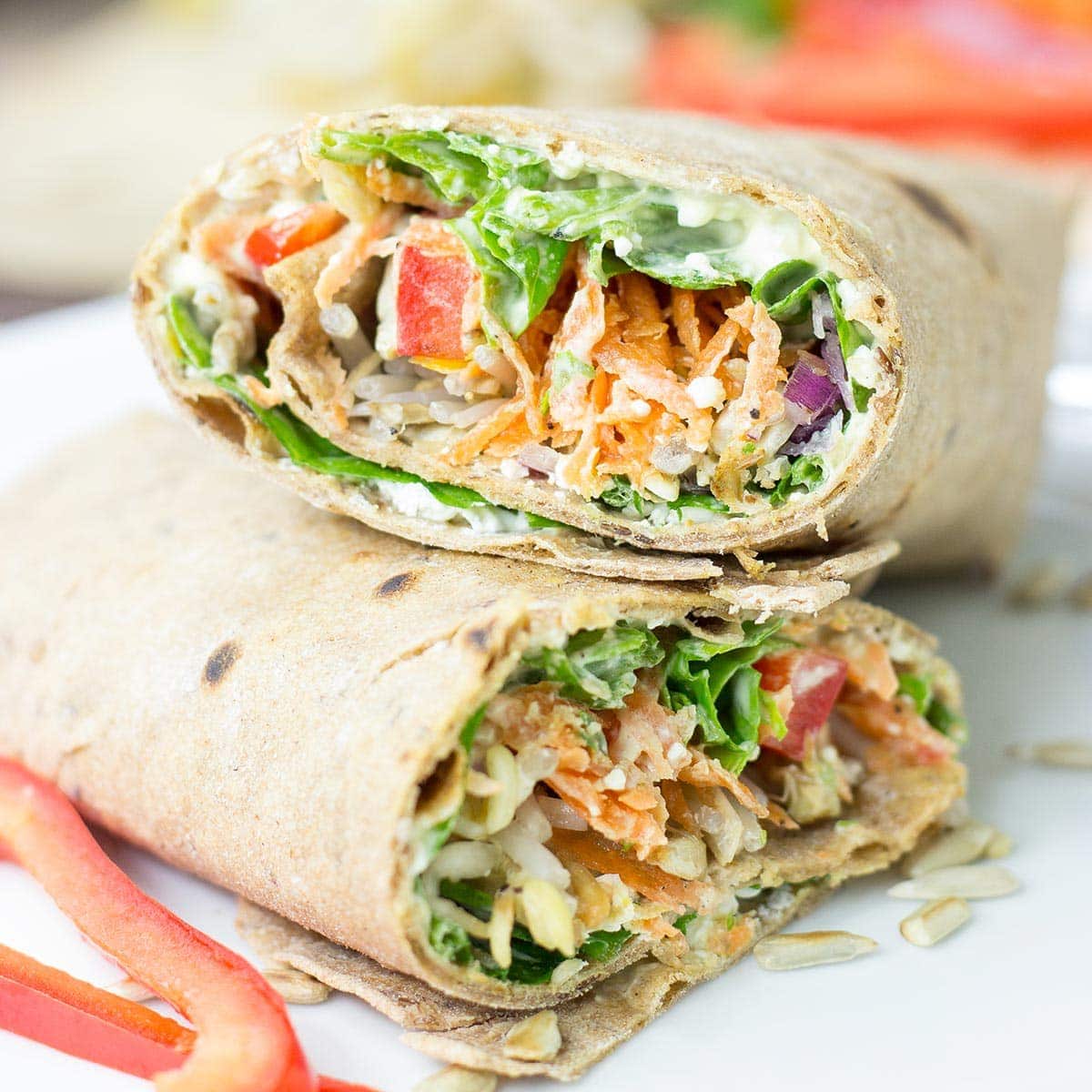
Discovering Delightful & Light Vegetarian Dinner Ideas
In a world often gravitating towards hearty, substantial evening meals, the concept of a light vegetarian dinner idea offers a refreshing and often much-needed alternative. Imagine ending your day feeling nourished and satisfied, yet comfortably light, ready for a restful sleep or an evening activity, rather than weighed down by a heavy meal. These aren't just about cutting calories; they're about embracing vibrant, wholesome ingredients that leave you feeling energized and well-balanced.
For years, we've explored countless vegetarian recipes designed for health and taste, and the collection of light vegetarian dinner ideas truly stands out. From comforting, warming bowls of soup to crisp, exciting salads, there's a world of delicious dishes waiting to fill you up without the dreaded post-dinner bloat. While there's certainly a time and place for a lavish veggie Wellington or a rich pasta bake, sometimes, that's simply not the vibe your body craves. Perhaps your appetite naturally wanes towards evening, or you need a quick, digestible meal before an exercise class. Whatever your motivation, a lighter dinner can be exactly what the doctor ordered.
The Allure of Light Vegetarian Dinners: Why Opt for Less?
Choosing a lighter dinner isn't about deprivation; it's a strategic and often intuitive decision that aligns with various lifestyle needs. Understanding *why* these meals are so beneficial can help you embrace them more fully:
- Optimized for Digestion & Sleep: A lighter meal before bed means your digestive system isn't working overtime, which can contribute to better sleep quality and reduced discomfort. Heavy meals can often lead to indigestion, heartburn, and restless nights.
- Balancing Your Daily Intake: Have you ever enjoyed a magnificent, satisfying lunch, like a grand Sunday roast or a generous brunch with friends? By dinner time, you might still feel quite full but desire something tasty to tide you over until morning. This is where a light vegetarian dinner shines, offering sustenance without overdoing it.
- Pre-Activity Fuel: For those who enjoy evening workouts, yoga, or any physical activity, a light meal can provide necessary energy without causing sluggishness or digestive upset during your session.
- Supporting Weight Management Goals: When it comes to managing weight, maintaining a slight calorie deficit is key. Our definition of "light" vegetarian dinner ideas often means meals under 500 calories, typically ranging from 300-500 calories. This strategic calorie control, when combined with adequate nutrition throughout the day, can be a highly effective tool for healthy weight loss. However, it’s crucial to remember that calorie reduction should never come at the expense of proper nutrition. Skipping meals or eating too little during the day will only lead to fatigue, hunger, and an inability to sustain your goals.
- Enhanced Energy Levels: Avoiding a heavy, carb-laden dinner can prevent the post-meal energy crash, leaving you feeling more alert and productive for your evening activities.
What Makes a Vegetarian Dinner "Light" and Truly Healthy?
The term "light" often conjures images of salads and minimal portions. While that can be true, our focus is on ensuring "light" also means "healthy" and "satisfying." A low-calorie count alone doesn't guarantee a healthy meal. A genuinely healthy, light vegetarian dinner combines thoughtful ingredients to deliver maximum nutrition with fewer calories:
- Nutrient Density is Key: We prioritize whole, unprocessed foods. This means plenty of fresh vegetables, legumes, whole grains, and lean plant-based proteins. These ingredients are packed with vitamins, minerals, and antioxidants, ensuring your body gets what it needs even in smaller portions.
- Fiber Power for Satiety: Vegetables and legumes are typically low in calories and fat but incredibly high in dietary fiber. Fiber is your best friend when it comes to feeling full and satisfied. It adds bulk to your meals, aids digestion, and helps regulate blood sugar, preventing those nagging hunger pangs soon after eating.
- Lean Protein Sources: Protein is essential for satiety, muscle repair, and overall bodily functions. Our light vegetarian dinner ideas incorporate excellent plant-based protein sources like lentils, chickpeas, tofu, tempeh, edamame, and various beans. These ensure you remain full and support your body's needs without adding excessive calories or unhealthy fats.
- Healthy Fats in Moderation: While keeping meals light, we don't eliminate healthy fats. Ingredients like avocado, a sprinkle of nuts or seeds, or a drizzle of olive oil contribute essential fatty acids, enhance flavor, and improve nutrient absorption. The key is moderation.
- Avoiding Processed Ingredients: True health means steering clear of overly processed foods, excessive saturated fats, and artificial additives. Our selections are crafted from fresh components, ensuring clean fuel for your body.
Unlocking Satiety: The Power of Soups, Curries, and Beyond
You'll notice a common theme among effective light vegetarian dinner ideas: a strong presence of soups and curries. There's a brilliant reason for this:
Super Soups & Cracking Curries: Fiber for the Win!
Soups and curries are masters at being light yet incredibly filling. A significant portion of their bulk comes from liquid, abundant vegetables, and nutrient-rich legumes. This combination means they are often low in calories and fat but exceptionally high in fiber. The liquid content helps you feel full faster, while the fiber-rich vegetables and legumes ensure that feeling lasts, preventing you from overeating or snacking later.
Consider a delicious vegan tikka masala, for instance. Packed with vegetables and legumes, it can offer upwards of 12g of fiber per serving, providing deep satisfaction for a minimal calorie count. The aromatic spices also add a layer of complexity and warmth that makes the meal feel truly indulgent without being heavy.
Beyond the Bowl: Other Creative Light Vegetarian Options
While soups and curries are fantastic, the world of light vegetarian dining extends far beyond. Embrace variety to keep your meals exciting and prevent palate fatigue:
- Vibrant Salads with a Twist: Forget sad lettuce and tomato. Think substantial salads featuring roasted vegetables, hearty grains like quinoa or farro, a generous helping of chickpeas or lentils, and a light, flavorful dressing.
- Quick & Flavorful Stir-fries: Load up on colorful vegetables and a lean protein like tofu or tempeh, stir-fried with a light soy or peanut-free sauce. Serve over a small portion of brown rice or quinoa, or even cauliflower rice for an even lighter option.
- Deconstructed Veggie Bowls: Combine your favorite cooked grains, fresh greens, steamed or roasted vegetables, and a protein source in a bowl. Drizzle with a light dressing or a squeeze of fresh lemon juice.
- Lettuce Wraps & Tacos: Use large lettuce leaves as wraps for flavorful fillings like seasoned lentils, black beans, or crumbled veggie burgers with fresh salsa and avocado. Light tacos on corn tortillas are another excellent option.
- Savory Oatmeal or Grits: Don't reserve oatmeal for breakfast. Savory versions topped with sautéed mushrooms, spinach, a poached egg (if you consume eggs), and a sprinkle of nutritional yeast can be surprisingly satisfying and light.
For more creative variations and specific recipes, explore light vegetarian dinner ideas - Article 2 and light vegetarian dinner ideas - Article 3.
Practical Tips for Crafting Your Perfect Light Vegetarian Dinner
Making light vegetarian dinners a regular part of your routine is easier than you think with a few practical strategies:
- Embrace Meal Prep: Dedicate some time on the weekend to chop vegetables, cook a batch of grains or lentils, or prepare a homemade dressing. This makes assembling quick and light meals during busy weeknights a breeze.
- Flavor Boosters are Your Friends: Herbs, spices, citrus zest, vinegars, and low-sodium broths can elevate the taste of your dishes without adding extra calories or unhealthy fats. Don't be shy with fresh cilantro, parsley, basil, or a squeeze of lime.
- Focus on Fresh, Seasonal Produce: Eating what's in season not only tastes better but often provides better nutritional value and supports local agriculture. Seasonal vegetables are typically more affordable and abundant too.
- Balance Your Plate: Aim for a good mix of lean protein, high-fiber carbohydrates (from vegetables and whole grains), and a small amount of healthy fats in each meal to ensure sustained energy and satiety.
- Listen to Your Body: Practice mindful eating. Eat slowly, savor each bite, and pay attention to your hunger and fullness cues. Stop when you're comfortably satisfied, not uncomfortably stuffed.
- Stay Hydrated: Sometimes, thirst can be mistaken for hunger. Ensure you're drinking enough water throughout the day. A glass of water before your meal can also help with satiety.
Conclusion
Embracing light vegetarian dinner ideas isn't just a trend; it's a smart, sustainable approach to healthy eating that offers numerous benefits, from improved digestion and better sleep to effective weight management and sustained energy. By focusing on nutrient-dense, fiber-rich, and protein-packed ingredients, you can create meals that are incredibly satisfying without leaving you feeling heavy or lethargic. Whether you're aiming for specific health goals or simply seeking a more balanced way to nourish your body, these delicious and versatile plant-based options provide a pathway to lighter, brighter evenings. Dive in, experiment with flavors, and discover how wonderfully fulfilling a truly light dinner can be!
